


Nogle af de mest hjerteskærende øjeblikke i Game of Thrones blev ikke skabt gennem dialog eller special effects – de blev skabt gennem valget af objektiv. Fra Cerseis tavse vandring gennem King's Landing til Tyrions udbrud i en retssal fuld af fjender bruger serien gentagne gange ét bestemt værktøj til at opbygge spænding: teleobjektivet. I denne gennemgang ser vi på, hvad objektivet faktisk gør på et teknisk plan, og gennemgår derefter nogle af seriens mest ikoniske scener for at se teknikken i praksis – og hvordan du kan bruge den i dit eget arbejde.
Hvad er et teleobjektiv (og hvorfor filmskabere elsker det)
Et teleobjektiv er ethvert objektiv med lang brændvidde – generelt fra omkring 70-85 mm og opefter. I modsætning til et vidvinkelobjektiv, der overdriver afstande og rum, gør et teleobjektiv det modsatte: Det komprimerer dem. Objekter i forskellige afstande fra kameraet ser ud til at være tættere på hinanden, end de faktisk er, og baggrunde mister deres dybdefornemmelse.
To effekter gør teleobjektiver til et oplagt værktøj til dramatisk film:
-
Komprimering – elementer i forgrund og baggrund føles, som om de ligger stablet oven på hinanden, og derfor kan en folkemængde bag en karakter føles, som om den lukker sig om vedkommende
-
Lille dybdeskarphed – ved længere brændvidder kommer baggrunde lettere ud af fokus, så motivet isoleres fra alt omkring det
Kombinerer man de to egenskaber, får man et objektiv, der kan få en enkelt person til at føle sig omringet, isoleret eller begge dele på én gang.

Telefotoindkøringer og følelsesmæssig eskalering
Se på Tyrion Lannisters retssag i sæson 4, episode 6. Scenen åbner med et relativt afgrænset billede – Tyrion står foran retten, mens rummet stadig er synligt omkring ham. Men efterhånden som hans vidneudsagn bygger op mod hans udbrud ("Jeg ville ønske, jeg havde gift nok til jer alle"), kører kameraet ind, og objektivet gør noget specifikt: Retssalen bag ham sløres og trækker sig tilbage, mens hans ansigt fylder mere og mere af billedet.
Det er ikke bare et nærbillede for at understrege pointen. Det er en telefotoindkøring – brændvidden forbliver lang hele vejen, så efterhånden som kameraet bevæger sig tættere på, bliver baggrundskomprimeringen stærkere i stedet for at åbne sig, som den ville gøre med et vidvinkelobjektiv. Rummet fyldt med mennesker, der kom for at se ham falde, forsvinder ikke; det bliver til en påtrængende, ufokuseret masse lige bag ham. Visuelt bliver han knust af den samme folkemængde, som billedet skærer ham af fra.
Det er det grundlæggende trick ved et teleindzoom: Det lader en scene eskalere følelsesmæssigt uden et eneste klip, fordi selve objektivet udfører det narrative arbejde.
En fuld gennemgang — Cerseis bodsgang
Hvis der er én scene, der viser hele spektret af, hvad et teleobjektiv kan gøre, er det Cerseis bodsgang i sæson 5, episode 10. Det er også den længste og teknisk mest krævende sekvens, der omtales her, fordi det ikke er én fastlåst optagelse — det er en vedvarende kamerabevægelse gennem en menneskemængde i bevægelse, næsten helt uden dialog.
Komprimering som trussel. Mens Cersei går, fastholder kameraet en lang brændvidde gennem det meste af sekvensen. Menneskemængden bag hende og omkring hende — som i virkeligheden er spredt over et stort område — ser ud til at være presset helt ind på hende. Der er intet visuelt pusterum. Denne komprimering udfører den samme funktion, som seriens forfattere sigtede efter på et narrativt plan: at fjerne hvert eneste lag af beskyttelse, som en dronning normalt ville have.
Lav dybdeskarphed, der udvisker identiteten. Menneskemængden er sjældent skarpt i fokus. De enkelte ansigter flyder sammen til en hvirvlende, fjendtlig masse, hvilket afspejler det, der faktisk sker med Cersei i det øjeblik — hun bliver ikke længere set som et menneske med handlekraft, men som et mål for en ansigtsløs hob. Objektivet lader ikke publikum fæstne blikket på en enkelt tilråber; i stedet oplever vi menneskemængden, som hun gør, som en udifferentieret mur af støj og trusler.
En bevægelig teleoptagelse. En stor del af sekvensen er en vedvarende kamerabevægelse — kameraet bevæger sig sammen med Cersei med en lang brændvidde, hvilket er langt sværere at gennemføre end en statisk teleoptagelse. Længere objektiver forstærker enhver kamerarystelse og gør fokustrækning vanskeligere, fordi dybdeskarpheden allerede er knivskarp. Den lette håndholdte ustabilitet, der trænger igennem, er ikke en fejl her — den placerer publikum i rollen som en, der går ved siden af hende i menneskemængden, frem for at se på fra en sikker, stabil afstand.
Et kamera, der følger hendes følelsesmæssige sammenbrud. Billedudsnittet bliver strammere, efterhånden som sekvensen skrider frem. I begyndelsen er der lidt mere plads omkring hende — hun går med hagen løftet og prøver stadig at bevare fatningen. Mod slutningen er indstillingerne næsten udelukkende nærbilleder, hvor objektivet er helt oppe i ansigtet på hende, mens hun bryder fuldstændig sammen. Objektivet overværer ikke bare denne følelsesmæssige udvikling — gennem et gradvist indsnævrende, hele tiden komprimeret billedudsnit bliver det en del af den.
Genskab dette look — teleobjektiver til dit eget arbejde
Du behøver ikke et tv-budget for at bruge denne teknik — du har brug for det rigtige glas. Hvis du vil tilføre denne form for kompression og motivisolering til dine egne optagelser, er længere brændvidder i et cine-primesæt det rigtige sted at begynde.
SIRUI IronStar 135 mm T1.9 er i øjeblikket den længste brændvidde i IronStars fullframe-anamorfiske serie, hvilket giver kraftig kompression sammen med de anamorfiske karakteristika — oval bokeh og vandrette flares — der tilfører et ekstra lag tekstur til nærbilleder med isolering af motivet. På den sfæriske side er SIRUI Vision Prime 150 mm T1.4 den længste mulighed i serien, udviklet præcis til den type telefotoarbejde med lille dybdeskarphed og isolering af motivet, som er beskrevet ovenfor.
Ingen af objektiverne kan på egen hånd få en scene til at blive lige så kompleks som Forsoningsvandringen — det krævede et helt produktionshold og omhyggelig blocking — men de giver dig de vigtigste optiske værktøjer: kompression og separation.
Afsluttende tanker
Det, der gør disse Game of Thrones-scener så effektive, er ikke kun manuskriptet eller skuespillet — det er, at kameraet fortæller den samme historie som skuespillerne, billede for billede. Et teleobjektiv kan få en retssal til at føles, som om den lukker sig om dig, eller forvandle en gruppe statister til en mur af anonym fjendtlighed, alt sammen uden en eneste replik.
Det er den egentlige lektie for alle, der tager et kamera op: Nogle gange ligger den mest kraftfulde beslutning inden for historiefortælling ikke i manuskriptet. Den ligger i brændvidden.
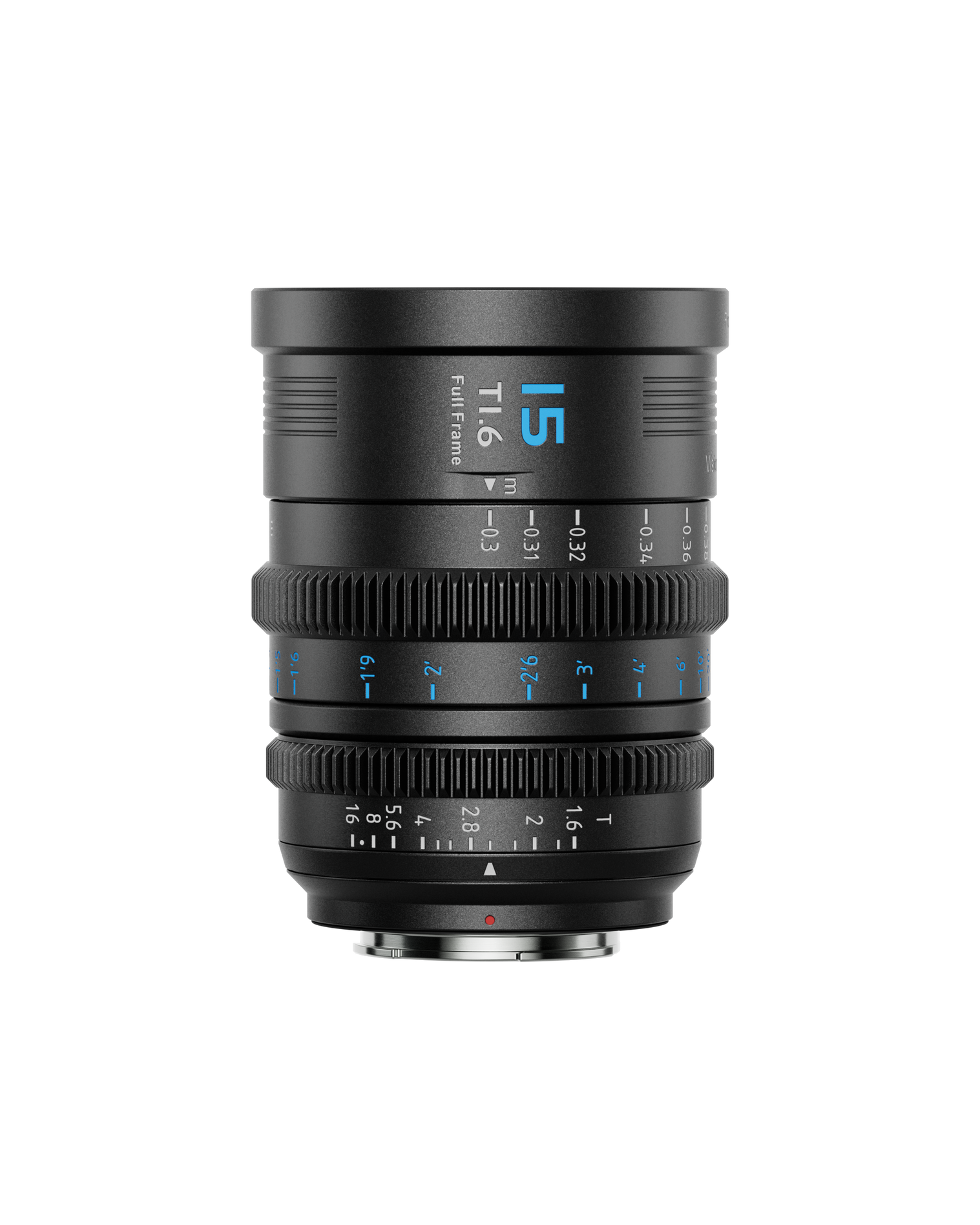
SIRUI Vision Prime 15/75/150 mm T1.4 fullframe-cineobjektiv
- 46 mm billedcirkel til fullframe-sensorer
- Ultrahurtig maksimal blænde på T1.4
- Native E-fatning; L-, Z- og RF-adaptere
- Blænde med 12 lameller giver blød bokeh
- Kompakte asfæriske linseelementer

