


Nach ausführlichen Praxistests wird deutlich, warum der SIRUI Astra so unterschiedliche Meinungen hervorruft. Wer von Vintage-Anamorphoten kommt, könnte den Astra als etwas zu sauber und modern empfinden. Für diejenigen, deren Vergleichsmaßstab sphärische Objektive sind, liefert der Astra jedoch all den anamorphotischen Charakter, den man erwarten würde – Flares, Squeeze und einen unverwechselbaren cineastischen Look, verpackt in einer stärker korrigierten, zeitgemäßeren Form.
Der Astra ist ein 1,33-faches anamorphotisches Autofokus-Vollformatobjektiv und fällt allein deshalb auf, weil Autofokus-Anamorphoten auf dem Markt nach wie vor selten sind. Hier sehen wir uns genauer an, wie es sich nach der Montage und im Einsatz schlägt.
Wie gut ist der Autofokus des Astra in der Praxis?
Der Autofokus ist das Hauptmerkmal dieses Objektivs – und der wichtigste Grund, warum die meisten Filmemacher überhaupt ein Autofokus-Anamorphot in Betracht ziehen würden. Beim Test an einer Sony A7S III erwies sich der Autofokus des Astra als brauchbar und stabil, insbesondere mit dem neuesten Firmware-Update.
Allerdings ist die Leistung nicht makellos. Bei schlechten Lichtverhältnissen und der Verwendung des Autofokus im Weitbereich traten einige Verzögerungen und Fokusverluste auf. Ein Teil davon ist eher auf die Aufnahmebedingungen als auf das Objektiv selbst zurückzuführen, dennoch ist dies ein nützlicher Hinweis für alle, die bei schwachem Licht drehen möchten.

Funktioniert die kamerainterne Stabilisierung tatsächlich mit dem Astra?
Traditionell wird die kamerainterne Bildstabilisierung (IBIS) bei anamorphotischen Objektiven nicht empfohlen – abgesehen von Lumix-Kameras führt sie tendenziell zu Verformungen und störenden Artefakten. Die aktuelle Astra-Firmware scheint dies zu ändern. Bei Tests aus der Hand – beim Gehen ohne Rig oder Gimbal – zeigte das Filmmaterial weder Verformungen noch sichtbare Artefakte, eine deutliche Verbesserung für Aufnahmen aus der Hand.
Wie sieht es mit Focus Breathing aus?
Beim Astra ist ein gewisses Focus Breathing vorhanden, was jedoch eher typisch für anamorphotische Objektive allgemein als eine spezifische Schwäche dieses Modells ist. Am besten versteht man es als Teil des gesamten anamorphotischen Konzepts.
Braucht man für den Astra einen größeren Monitor?
Für Sony-Filmer gibt es einen wichtigen Hinweis: Kameras wie die FX3 und FX30 können anamorphotisches Filmmaterial kameraintern entzerren, dadurch wird beim Astra derzeit jedoch der Autofokus deaktiviert. Die praktische Lösung besteht darin, stattdessen einen externen Bildschirm zur Bildkontrolle zu verwenden.
Da anamorphotisches Filmmaterial vor dem Entzerren als zusammengedrücktes, letterboxiertes Bild angezeigt wird, ist auf einem kleinen Bildschirm nur ein schmaler Streifen des Bildes sichtbar. Ein größerer externer Monitor – 6 oder 7 Zoll – macht einen deutlichen Unterschied, wenn es darum geht, beim Dreh Fokus und Bildausschnitt präzise zu beurteilen.
Wie sieht der anamorphotische Charakter der Astra tatsächlich aus?
Als anamorphotisches 1,33x-Objektiv bietet die Astra eine dezentere Stauchung und einen zurückhaltenderen anamorphotischen Look als Objektive mit einem stärkeren Faktor. Die charakteristischen Flares, Verzeichnungen und Stauchungseigenschaften des anamorphotischen Looks bleiben jedoch erhalten – nur in einer zurückhaltenderen Form.
SIRUI verwendet in seiner anamorphotischen Produktreihe durchgehend eine kissenförmige Verzeichnung, und die Astra bildet keine Ausnahme. Gerade Linien nahe dem Bildrand – architektonische Linien, Verkleidungen, Zierleisten – zeigen eine sanfte Biegung nach innen, charakteristisch für die kissenförmige Verzeichnung; das Gegenteil der tonnenförmigen Verzeichnung (Biegung nach außen), die bei einigen konkurrierenden anamorphotischen Objektiven zu finden ist. Keine von beiden ist objektiv „besser“; die Wahl hängt weitgehend vom persönlichen Geschmack und dem gewünschten Look ab. Verzeichnungen lassen sich in der Nachbearbeitung jederzeit korrigieren, wenn eine Aufnahme zu stark verzerrt wirkt, wobei das Beibehalten eines gewissen Maßes dazu beiträgt, die erkennbare anamorphotische Signatur zu bewahren.

Auch die Randverzerrung ist bei der Astra minimal, was wichtiger ist, als es vielleicht klingt – da das gesamte Vollformatbild genutzt wird, anstatt für ein klassisches anamorphotisches Seitenverhältnis beschnitten zu werden, ist die Leistung an den Bildrändern vollständig sichtbar, besonders bei Schwenks. Objektive mit einem ausgeprägteren „Fischaugen“-Effekt an den Rändern können beim Schwenken störend wirken; die Astra schlägt sich in dieser Hinsicht gut.
Wie sehen die Flares der Astra aus?
Die Astra ist mit klassischen blauen Lens Flares oder einer neutralen Flare-Option erhältlich. Die Tests wurden mit der Version mit blauen Flares durchgeführt, und die Ergebnisse sind geschmackvoll – nicht übermäßig dramatisch oder streifig, sondern passend zur Gesamtwiedergabe des Objektivs, statt mit ihr zu konkurrieren. Wenn man überhaupt etwas kritisieren möchte, dann dass die Flares eher blau als türkis wirken; das ist jedoch eher eine kleine stilistische Anmerkung als ein Mangel.
Wie schlägt sich die Astra bei Darstellung und Bokeh im Vergleich zur Blazar Talon?
Der anamorphotische Charakter dreht sich nicht nur um Lens Flares – ebenso wichtig ist, wie ein Objektiv Tiefe, Freistellung und Bokeh wiedergibt. Die Astra wirkt klar und modern, wobei die meisten Freistellungseffekte eher von der lichtstarken T1.8-Blende als von einer starken optischen Verzerrung stammen.
Direkt neben dem Blazar Talon bei identischen T-Blenden wird der Unterschied in der optischen Philosophie deutlich. Die zusätzliche optische Verzerrung des Talon erzeugt die klassischen, länglichen ovalen Bokeh-Kreise, die man mit anamorphotischen Objektiven im Vintage-Stil verbindet. Die Astra rendert dagegen rundere, neutralere Bokeh-Kreise, wobei eine Verlängerung zu den Bildrändern hin beim Schwenken erst sichtbar wird.
Das Fazit: Die Astra ist stärker korrigiert und wirkt moderner als beispielsweise die Talon, doch das Testmaterial wirkt weiterhin cineastisch statt klinisch oder übermäßig scharf wie ein „Nachrichtenbericht“.

Entspricht die Verarbeitungsqualität den Erwartungen an ein Cine-Objektiv?
Ja – die Astra verfügt über ein Aluminiumgehäuse und behält die Zahnkränze für Blende und Fokus sowie den allgemeinen Formfaktor eines traditionellen Cine-Objektivs bei, obwohl sie Autofokus unterstützt. Harte Endanschläge am Fokusring ermöglichen die Verwendung mit einem herkömmlichen Follow-Focus-System, genau wie bei jedem manuellen Cine-Objektiv. Außerdem verfügt sie über ein 67-mm-Filtergewinde an der Vorderseite. Insgesamt handelt es sich um ein funktionales, vielseitiges Design, das sich sowohl für Autofokus-Run-and-Gun-Aufnahmen als auch für vollständig ausgestattete manuelle Setups eignet.
Ist chromatische Aberration bei der Astra ein Problem?
Nicht wirklich. Etwas chromatische Aberration bei vollständig geöffneter Blende ist bei anamorphotischen Objektiven normal und zu erwarten, doch die Astra hält sie auf einem Minimum. Damit unterstreicht sie den klaren, scharfen und prägnanten Look, der das Objektiv insgesamt auszeichnet.
Für wen ist die SIRUI Astra eigentlich gedacht?
Die Astra besetzt eine interessante Nische. Viele Kunden und Produktionen können entweder nicht mit einem starken, offensichtlichen anamorphotischen Look arbeiten oder wünschen sich schlicht keinen. Einem Kunden die Eigenschaften anamorphotischer Objektive zu erklären, kann eher wie eine Physikstunde als wie ein kreativer Pitch wirken. Genau hier passt die Astra: Sie funktioniert fast wie ein „Stealth-Anamorphot“ und verleiht dem Bild cineastisches Flair und einen höheren Produktionswert, ohne aufdringlich stilisiert zu wirken.
Für Anamorphot-Enthusiasten ist sie außerdem ein überzeugender Mittelweg für Projekte, die ansonsten mit sphärischen Objektiven gedreht worden wären, aber einen etwas hochwertigeren, modernen Look verlangen. Der dezentere Charakter der Astra ist keine Einschränkung – genau das ist ihr Zweck.
Abschließendes Urteil
Die SIRUI Astra erhält eine klare Empfehlung, insbesondere die 50-mm-Version, die die beste Ausgangsbrennweite für alle ist, die zunächst nur ein Objektiv kaufen möchten. Sie wird Puristen der anamorphotischen Optik, die starke Vintage-Verzerrungen und ovales Bokeh suchen, nicht vollständig zufriedenstellen. Für Filmemacher, die einen zuverlässigen Autofokus, eine klare, moderne Abbildungsleistung und gerade genug anamorphotischen Charakter wünschen, um ein Projekt aufzuwerten, ist sie jedoch eine wirklich überzeugende Option.
Weitere Informationen zum Test finden Sie in diesem Video: https://www.youtube.com/watch?v=WDDF51_ksQQ&t=40s
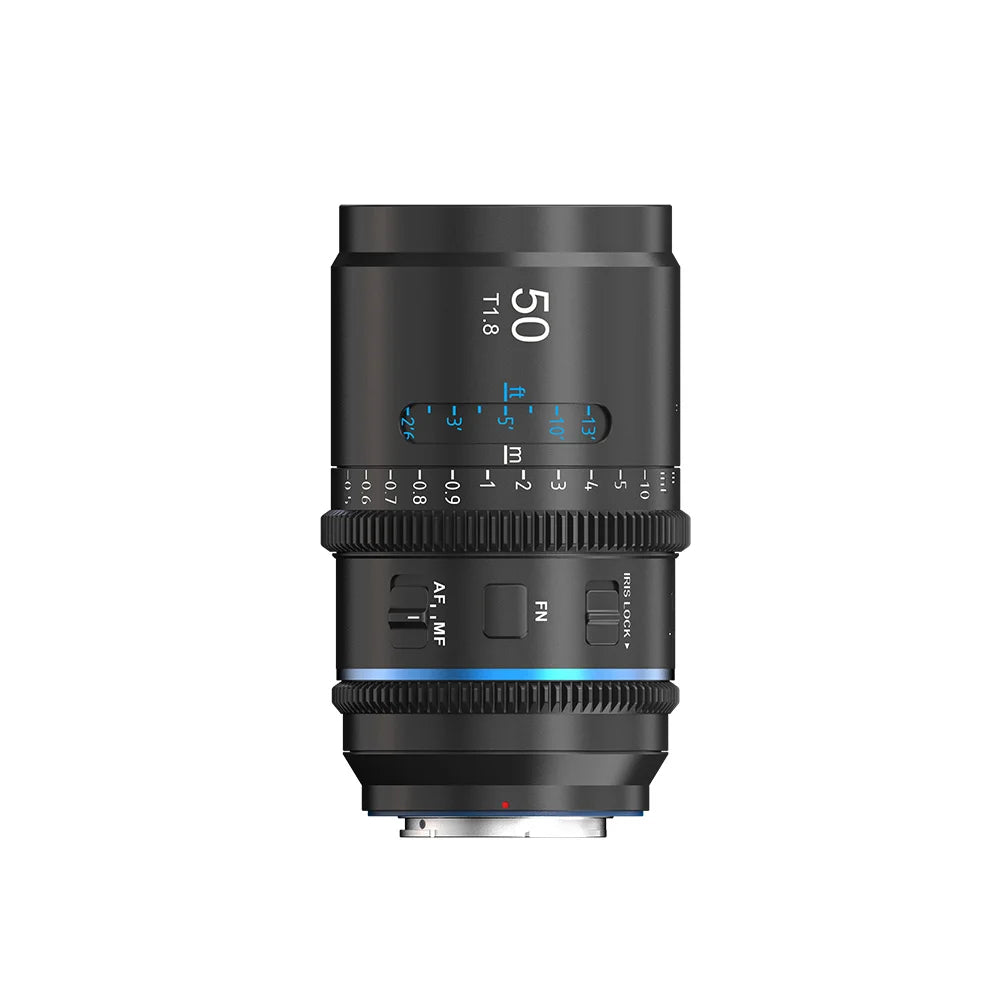
SIRUI Astra T1.8 1,33x Vollformat-Autofokus-Anamorph-Cine-Objektiv
- Deckt Vollformat ab | Blende T1.8–T22
- Manueller Fokus und Autofokus wählbar
- Neutrale Streifen-Flares
- Seitenverhältnis 2,4:1, kein Zuschneiden
- Ovales Bokeh, vertikal gestreckter Hintergrund

