


¿Qué causa una lluvia de meteoros? (¿Y por qué son especiales las Perseidas?)
Una lluvia de meteoros ocurre cuando la Tierra atraviesa un rastro de polvo y escombros dejado por un cometa. Cuando estas diminutas partículas chocan contra nuestra atmósfera a decenas de miles de kilómetros por hora, la fricción las consume en un destello de luz: las «estrellas fugaces» que vemos desde el suelo.
La lluvia de meteoros de las Perseidas proviene de los restos dejados por el cometa 109P/Swift-Tuttle, un cuerpo helado que orbita alrededor del Sol aproximadamente cada 133 años. Cada verano, la Tierra atraviesa este rastro de escombros, y el resultado es una de las lluvias de meteoros más fiables del año.
Las Perseidas no son el único gran espectáculo que vale la pena conocer. Junto con la lluvia de meteoros de las Gemínidas en diciembre y la de las Cuadrántidas en enero, las Perseidas forman lo que los astrónomos suelen llamar «las tres grandes» lluvias de meteoros anuales del hemisferio norte. Lo que distingue a las Perseidas es una combinación de altas tasas por hora, frecuentes bólidos brillantes y —quizás lo más importante para quienes las fotografían— noches cálidas de verano en lugar de noches invernales heladas.
Echemos un vistazo a los momentos destacados de la lluvia de meteoros de las Gemínidas del año pasado
¿Hay una lluvia de meteoros esta noche? (Fechas y horarios del máximo de 2026)
Sí: la lluvia de meteoros de las Perseidas estará activa desde mediados de julio hasta el 24 de agosto de 2026, pero el máximo será durante la noche del 12 de agosto hasta la madrugada del 13 de agosto. Se esperan las tasas de meteoros más altas en las horas previas al amanecer, aproximadamente entre la 1:00 y las 4:00, hora local, cuando el radiante en la constelación de Perseo alcanza su punto más alto en el cielo.
Si solo puedes observarlas una noche, elige la noche del 12 al 13 de agosto. Si el tiempo no acompaña, la lluvia seguirá activa —aunque con tasas más bajas— durante varias noches más.
¿Qué tan poco comunes serán las Perseidas de 2026? (Y cómo se comparan con las del año pasado)
La visibilidad de toda lluvia de meteoros depende en gran medida de la Luna. Las Perseidas del año pasado, como ocurre la mayoría de los años, tuvieron que competir con cierta cantidad de luz lunar que ocultaba los meteoros más débiles. Este año es diferente y significativamente mejor.
El máximo de las Perseidas de 2026 coincidirá casi exactamente con la Luna nueva, lo que significa que no habrá luz lunar que interfiera con la observación. Según la astrónoma Aparna Venkatesan, de la Universidad de San Francisco, «la Luna nueva significa que no tenemos luz lunar iluminando el cielo», y eso se traduce directamente en más meteoros visibles para cualquiera que observe o fotografíe el espectáculo.
¿Qué tan poco común es esta alineación? «La Luna nueva no volverá a coincidir con el 12 de agosto hasta 2045», lo que convierte 2026 en una oportunidad realmente única en una generación tanto para los aficionados a la observación de estrellas como para los astrofotógrafos. Bajo cielos oscuros y sin luna, la NASA estima que los observadores podrían ver entre 50 y 100 meteoros por hora, mientras que la estimación de campo más conservadora de la American Meteor Society es de 30 a 50 meteoros por hora desde zonas rurales.
Para los fotógrafos, esto es muy importante: menos luz ambiental significa un mejor contraste entre los meteoros y el cielo nocturno, además de muchas más posibilidades de captar la Vía Láctea en el mismo encuadre.
El mejor equipo para fotografiar la lluvia de meteoros de las Perseidas
No necesitas equipo profesional de astrofotografía para captar las Perseidas, pero algunos elementos esenciales marcan una gran diferencia:
-
Un objetivo ultra gran angular con una apertura luminosa. Los meteoros pueden atravesar grandes zonas del cielo, por lo que un campo de visión amplio te da más posibilidades de captar uno en el encuadre; además, una apertura máxima amplia es fundamental para captar suficiente luz durante exposiciones cortas. El SIRUI Vision Prime 15mm está diseñado exactamente para este tipo de fotografía: forma parte de una serie de objetivos cinematográficos para formato completo, con una apertura luminosa T1.4 para ofrecer un buen rendimiento con poca luz, un campo de visión ultra gran angular de 15 mm que permite captar fácilmente tanto la lluvia de meteoros como un paisaje en primer plano en el mismo encuadre, y un diseño compacto y ligero (menos de 600 g) fácil de transportar hasta un lugar remoto con cielo oscuro. Como comparte el mismo tamaño de rosca para filtros y la misma posición del anillo de engranaje que el resto de la serie Vision Prime, también es una opción natural si con el tiempo quieres ampliar tu equipo para fotografía del cielo nocturno o cine.
-
Un trípode resistente. Las exposiciones largas hacen que cualquier movimiento de la cámara arruine la toma. La estabilidad es imprescindible; un trípode de viaje compacto y ligero como el SIRUI Traveler 7C es una buena opción para fotografiar lluvias de meteoros, ya que a menudo tendrás que caminar hasta un lugar con cielo oscuro y querrás algo fácil de transportar sin sacrificar una base estable para exposiciones largas.
-
Un disparador remoto o un intervalómetro. Te permite accionar el obturador sin tocar la cámara y facilita tomar una secuencia continua de exposiciones durante toda la noche.
-
Baterías adicionales. Las noches frías y largas al aire libre agotan las baterías rápidamente; lleva más de las que creas que necesitarás.
Ajustes de la cámara para fotografiar una lluvia de meteoros
Empieza con estos ajustes básicos y adáptalos según la oscuridad del cielo en tu ubicación:
-
Apertura: Tan amplia como permita tu objetivo (f/1.4–f/2.8) para captar la mayor cantidad de luz posible.
-
Velocidad de obturación: Alrededor de 15–20 segundos. Las exposiciones más largas pueden provocar trazos de estrellas; las más cortas podrían no captar los meteoros más tenues.
-
ISO: Empieza alrededor de ISO 1600–3200 y ajústalo según el rendimiento de tu cámara frente al ruido.
-
Enfoque: Cambia al enfoque manual y ajústalo al infinito; el enfoque automático tiene muchas dificultades en la oscuridad. Usa la visualización en directo para ampliar una estrella brillante y ajustar el enfoque manualmente.
-
Modo de disparo: utiliza el disparo continuo con un intervalómetro para que la cámara siga capturando imágenes durante toda la noche sin que tengas que pulsar el obturador cada vez.
Consejos de composición: encuadrar el cielo nocturno
Una gran foto de una lluvia de meteoros rara vez es solo un cielo negro con una estela de luz: las imágenes más impactantes transmiten una sensación de lugar.
-
Incluye un elemento en primer plano —una línea de árboles, la silueta de una montaña o una formación rocosa— para dar escala y contexto a la imagen.
-
Apunta aproximadamente hacia el radiante, cerca de la constelación de Perseo, pero no centres el encuadre directamente en él. Los meteoros suelen resultar más espectaculares cuando se fotografían alejándose del radiante y cruzando el cielo abierto.
-
Fotografía en orientación vertical u horizontal según quieras destacar la Vía Láctea (vertical) o un horizonte amplio (horizontal).
-
Haz decenas de exposiciones. Los meteoros son impredecibles y la mayoría de tus tomas no contendrá ninguno; planifica apilar o combinar varias imágenes más adelante.
Mejores lugares para fotografiar las Perseidas en 2026
La contaminación lumínica es el mayor factor que dificulta obtener una buena foto de una lluvia de meteoros. Busca:
-
Parques certificados por International Dark Sky, muchos de los cuales son parques nacionales o estatales con una iluminación artificial mínima.
-
Zonas rurales situadas al menos a 30–60 minutos de las grandes ciudades, idealmente con una vista abierta y sin obstáculos hacia el cielo del noreste.
-
Ubicaciones a mayor altitud, que suelen ofrecer un aire más limpio y menos bruma atmosférica.
Incluso un trayecto corto fuera de la ciudad puede mejorar notablemente tus resultados: pasar de un cielo urbano Bortle 7–8 a uno rural Bortle 4–5 puede multiplicar varias veces el número de meteoros visibles (y fotografiables) por hora.
Consejos de posprocesado para fotos de lluvias de meteoros
Cuando vuelvas de la sesión, un poco de posprocesado puede marcar una gran diferencia:
-
Apila tus mejores tomas con software diseñado para astrofotografía a fin de combinar varias exposiciones en una sola imagen compuesta rica en meteoros.
-
Ajusta el balance de blancos para corregir cualquier dominante de color causada por la contaminación lumínica o los ajustes automáticos de tu cámara.
-
Realza el contraste y las sombras con cuidado para que las estelas de los meteoros destaquen contra el cielo nocturno sin introducir un ruido excesivo.
-
Evita enfocar demasiado: las imágenes del cielo nocturno tienden especialmente a parecer artificiales cuando se fuerzan demasiado en el posprocesado.
Con una luna nueva que ilumina únicamente las estrellas, cielos despejados durante el máximo del 12–13 de agosto y un poco de planificación, 2026 ofrece una de las mejores oportunidades en años para capturar en cámara la lluvia de meteoros de las Perseidas.
"
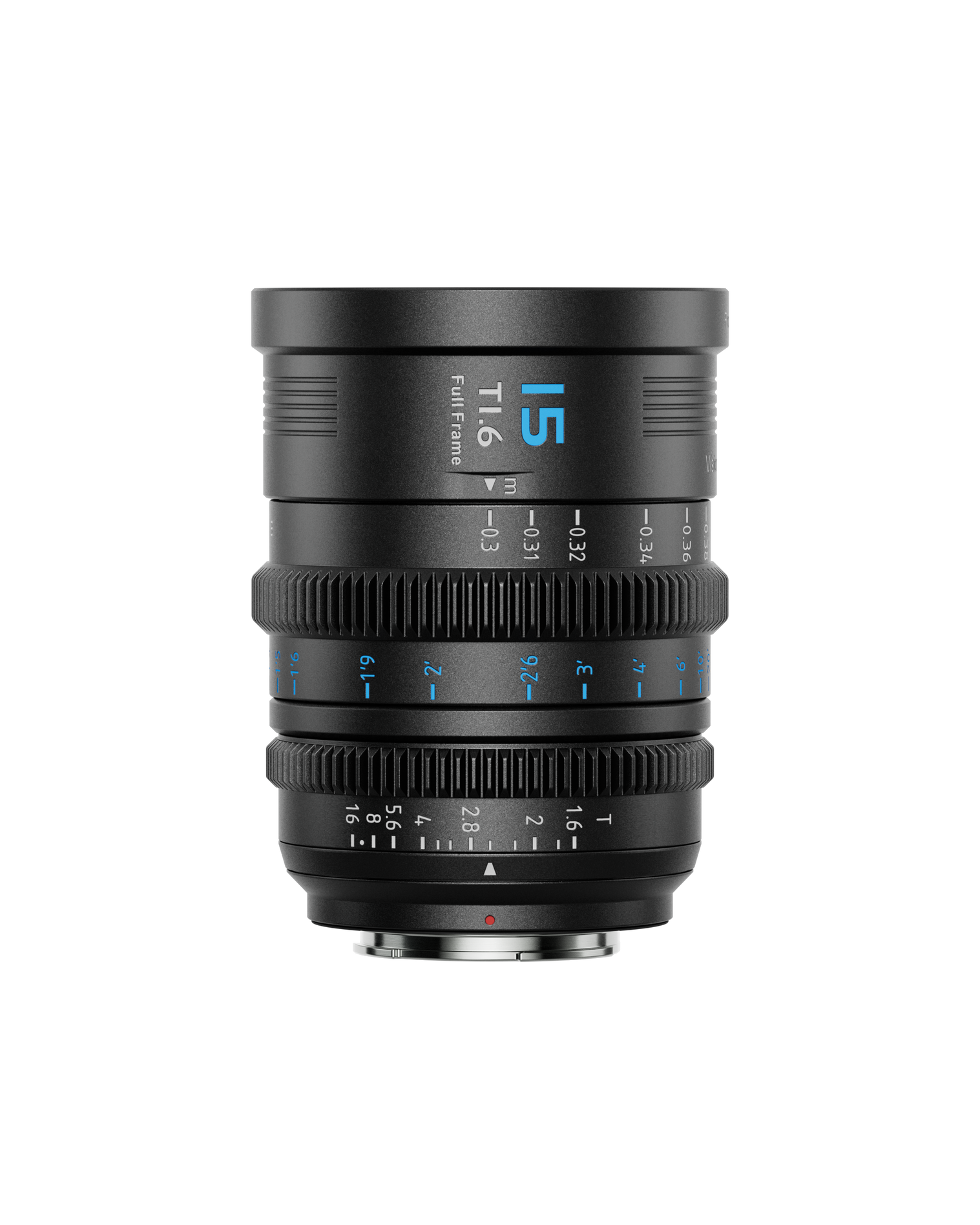
Lente cinematográfica de formato completo SIRUI Vision Prime de 15/75/150 mm T1.4
- Círculo de imagen de 46 mm para sensores de formato completo
- Apertura máxima ultrarrápida de T1.4
- Montura E nativa; adaptadores para L, Z y RF
- Diafragma de 12 palas que ofrece un bokeh suave
- Componentes de lente asférica compacta

